India electronic industry: What’s made, who leads, and where it’s headed
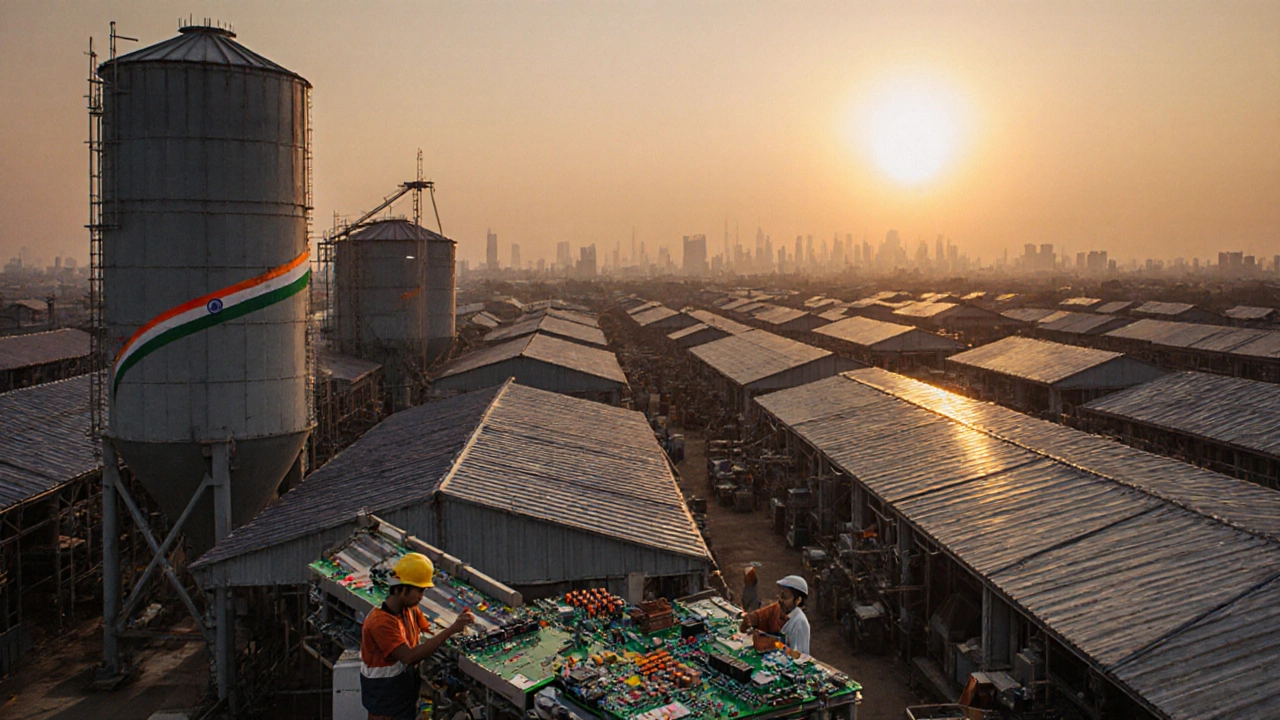
When we talk about the India electronic industry, the growing ecosystem of companies designing, assembling, and exporting electronic products across the country. Also known as Indian electronics manufacturing, it’s no longer just about assembling phones—it’s about building entire supply chains from scratch. India now produces smartphones, solar inverters, medical devices, and EV components right here at home. This isn’t wishful thinking from a government brochure. In 2024, over $50 billion worth of electronics were made in India, and more than $12 billion of that was shipped overseas.
The real driver? Tamil Nadu, the state that handles nearly a third of India’s electronics exports thanks to its ports, skilled labor, and focused industrial zones. It outpaces Karnataka and Maharashtra not because of luck, but because of smart policy, reliable power, and factories built for scale. Meanwhile, companies like Samsung, Foxconn, and local players like Dixon Technologies are turning Chennai and Tirupati into hubs that rival Vietnam and Mexico. This shift didn’t happen overnight. It came from pre-selling products before factories were built, using local grants to fund tooling, and focusing on unit economics instead of just cutting costs. Small manufacturers now play a huge role too—they’re the ones testing new designs, filling niche gaps, and proving demand before big players scale up.
What’s made here? Smartphones dominate, but don’t overlook solar inverters, LED TVs, and circuit boards for electric vehicles. Medical devices like glucose monitors and pulse oximeters are also being produced locally for the first time. And it’s not just about copying designs—it’s about adapting them for Indian conditions: heat, humidity, voltage swings. The 5 M's of manufacturing, Manpower, Machines, Materials, Methods, and Measurement. Also known as manufacturing fundamentals, it’s the framework small factories use to qualify for subsidies and improve output without hiring more people. These aren’t academic terms—they’re daily checklists in factories across Coimbatore, Pune, and Noida.
If you’re wondering how India competes with China, the answer isn’t just cheaper labor. It’s faster turnaround, better communication, and a government that actually listens to factory owners. Investors are watching. Startups are pitching. And the next wave of innovation won’t come from Silicon Valley—it’ll come from a small workshop in Hosur or a factory floor in Navi Mumbai. Below, you’ll find real stories from inside this industry: who’s winning, what’s broken, and how you can be part of it.