India machinery imports: What’s coming in and why it matters
When we talk about India machinery imports, the flow of industrial equipment into India from abroad to support local manufacturing. Also known as foreign machinery imports, it’s not just about buying machines—it’s about building the backbone of India’s factory floor. From CNC routers in Tamil Nadu to automated assembly lines in Gujarat, these imports are what turn policy dreams into real production. The government pushes "Make in India," but without the right tools, factories can’t make anything at all.
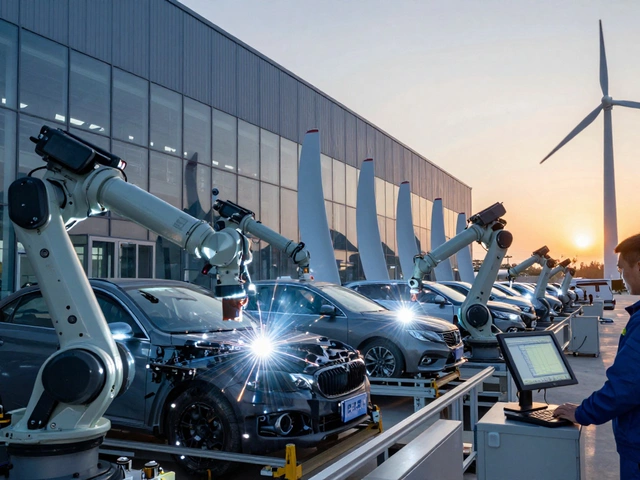
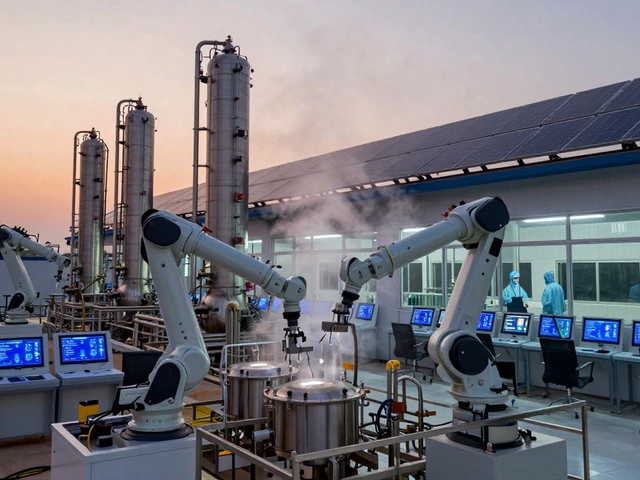
Behind every smartphone made in India, every solar inverter assembled in Telangana, and every medical device produced in Karnataka is a piece of imported machinery. The manufacturing equipment, the physical tools and systems used to produce goods in factories. Also known as industrial machinery, it includes everything from injection molders to laser cutters. India doesn’t make enough of these itself yet—so it buys them. Germany sends precision grinders. Japan ships robotic arms. China exports low-cost CNC machines. Each one plays a role in helping small manufacturers scale up without waiting years to build their own tools.
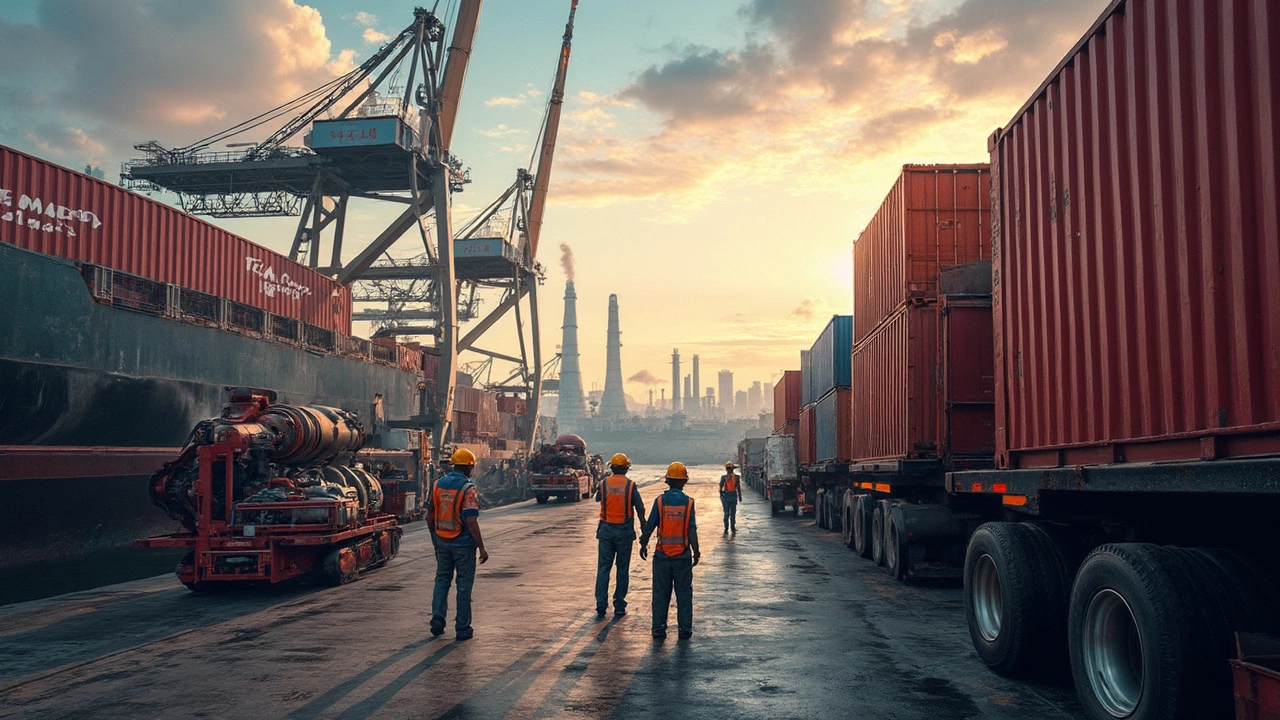
This isn’t just about replacing old machines. It’s about upgrading entire production lines. A small food processor in Rajasthan might import a continuous mixing unit to meet new safety standards. A plastic parts maker in Pune might bring in a high-speed molding machine to cut waste and boost output. These aren’t luxury purchases—they’re survival moves. And they’re tied directly to government schemes that offer subsidies on imported machinery for startups and MSMEs. The machinery supply chain India, the network of suppliers, customs brokers, logistics firms, and service providers that get foreign equipment into Indian factories. Also known as industrial import logistics, it’s the hidden engine keeping factories running. Delays at customs, broken spare parts, or lack of technical training can kill a new production line before it starts.
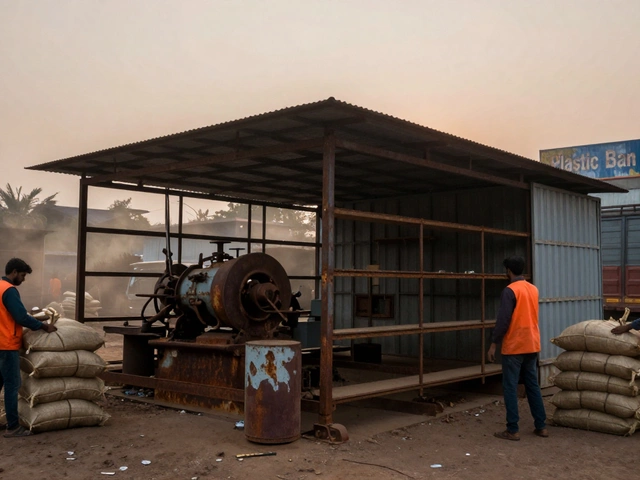
What’s being imported? It’s not just big machines. Think sensors for quality control, programmable logic controllers (PLCs), servo motors, and even software licenses for factory automation. These aren’t flashy, but they’re essential. And they’re changing who can compete. A tiny workshop in Madurai can now run like a factory because it bought a $15,000 automated welding station from South Korea—not because it got a huge loan, but because the import duty was cut under a new scheme.
India’s machinery imports are growing faster than its domestic production. That’s not a weakness—it’s a strategy. It lets manufacturers skip decades of trial and error. Instead of building their own CNC systems from scratch, they buy one that’s been refined over 20 years. That’s how startups in Bangalore can compete with giants in just 18 months. But this also means India’s manufacturing future depends on global supply chains, exchange rates, and trade policies. One tariff change, one shipping delay, and a whole factory can stall.
What you’ll find below are real stories from Indian factories—how they sourced their first machine, which imports saved them money, which ones turned into headaches, and how they’re using government support to make smarter buys. No theory. No fluff. Just what’s actually happening on the ground as India builds its industrial future one imported tool at a time.