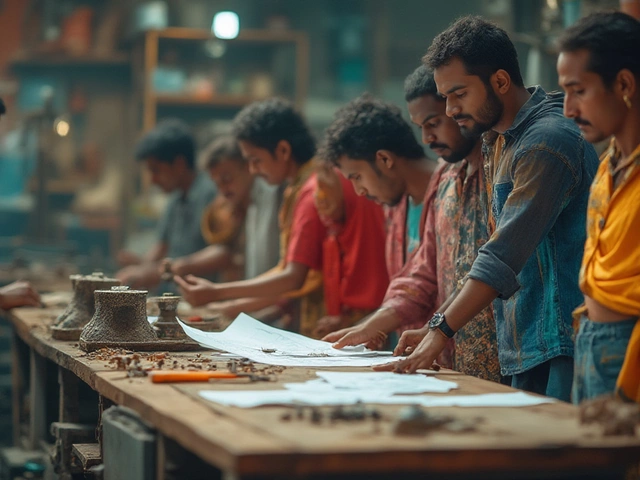
Machining in Manufacturing: What It Is, How It Works, and Why It Matters
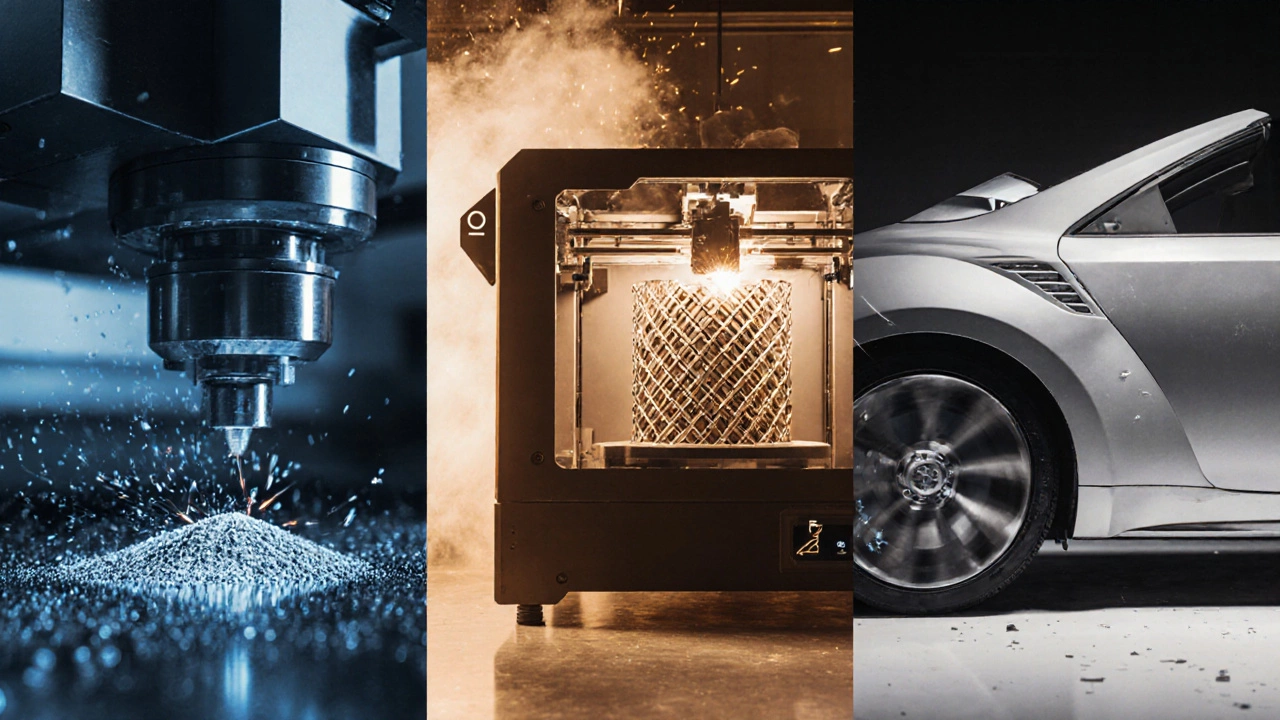
When you think about how things are made—phones, car parts, medical tools—you’re really thinking about machining, the process of removing material from a workpiece using cutting tools to create precise shapes and finishes. Also known as subtractive manufacturing, it’s the quiet force behind nearly every physical product you use every day. Unlike 3D printing, which builds up material, machining takes away. It’s how raw metal becomes a gear, how plastic turns into a smartphone casing, and how a block of aluminum becomes part of an electric vehicle motor. This isn’t science fiction—it’s daily factory work, happening right here in India.
Machining doesn’t happen in a vacuum. It relies on three core elements: CNC machining, computer-controlled machines that follow digital blueprints to cut materials with extreme accuracy, metal machining, the most common form, used for everything from steel frames to titanium implants, and machining processes, the specific techniques like turning, milling, drilling, and grinding that determine how a part is shaped. These aren’t just terms—they’re the building blocks of precision manufacturing. A small factory in Tamil Nadu might use CNC milling to make parts for solar inverters. A workshop in Pune could be drilling holes in aluminum housings for medical devices. Both rely on the same fundamentals: the right tool, the right material, and the right method.
What makes machining so powerful is its flexibility. It works with metals, plastics, composites—even wood. It scales from one-off prototypes to thousands of identical parts. And it’s not going away. As India pushes to make more electronics, EVs, and industrial gear locally, machining is the bridge between design and reality. You won’t see it on TV, but you’ll feel it in every gadget you hold. The posts below show how real manufacturers use these techniques every day—whether they’re securing funding, choosing the right machines, or mastering the 5 M’s of production. You’ll find real examples, real numbers, and real stories from factories across India. No theory. Just what works.