Manufacturing Systems: How They Work and What Drives Them in India
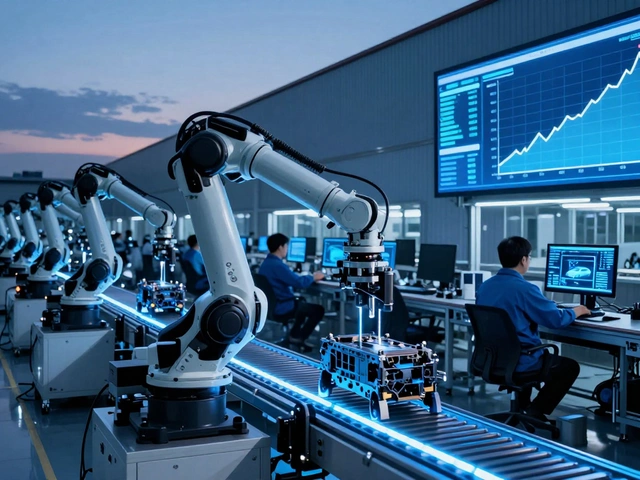
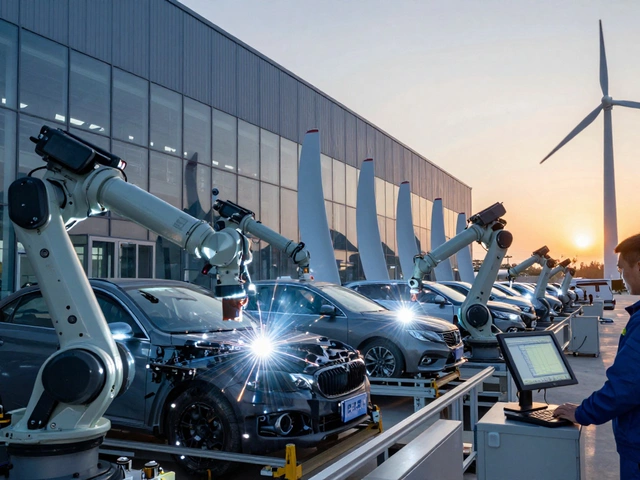
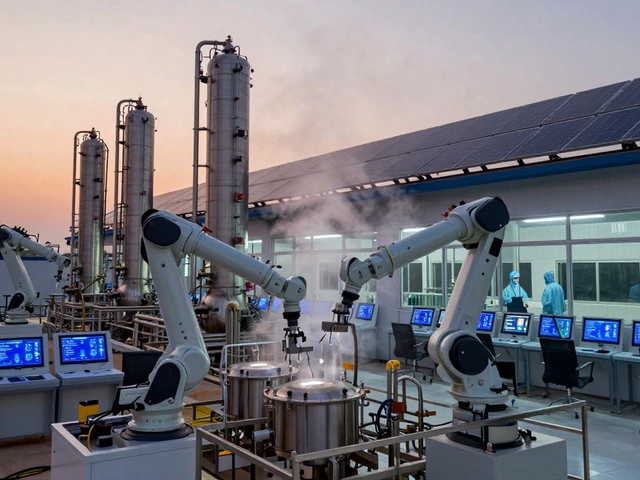
When you think of manufacturing systems, the organized way goods are made from raw materials to finished products. Also known as production systems, it's not just about machines—it's the whole chain of people, processes, and planning that turns ideas into real things. In India, these systems are changing fast. From tiny workshops in Tamil Nadu making smartphone parts to large plants in Gujarat producing solar inverters, the way things are built is becoming smarter, faster, and more local.
What makes a manufacturing system work? It’s not one thing—it’s five. You need Manpower, the skilled workers who run and maintain the line. You need Machines, tools that cut, weld, assemble, or test products. Then there’s Materials, the plastic, metal, or electronic components that go into the final product. Without the right Methods, the step-by-step instructions that turn parts into a working device, even the best tools fail. And you can’t skip Measurement, tracking quality, speed, and waste to know if you’re improving. These are the 5 M’s—and they’re the backbone of every real manufacturing system, whether it’s a single artisan making handcrafted electronics or a factory churning out 10,000 units a day.
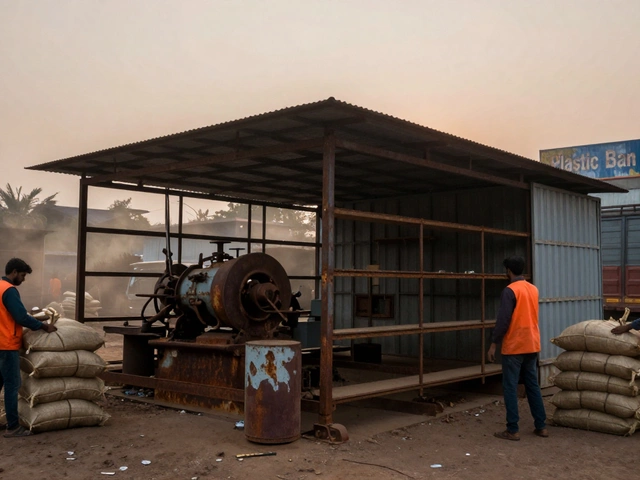
India’s manufacturing systems are shaped by what’s possible, not just what’s ideal. Many small factories don’t have fancy robots. They use low-cost automation, local labor, and clever workarounds to stay competitive. That’s why understanding your system isn’t about copying big players—it’s about matching your tools, skills, and scale to your goals. If you’re making medical devices, your system needs precision. If you’re producing food packaging, it needs speed and hygiene. And if you’re trying to get funding, investors will look at your system—not your pitch deck—to see if you can actually deliver.
What you’ll find below are real stories from Indian factories. How a startup in Bengaluru secured its first order by proving its system could meet quality standards. Why a textile maker in Surat switched from batch to continuous processing to cut costs. How a food processor in Punjab used government schemes to upgrade its measurement tools and qualify for export certification. These aren’t theory lessons. They’re practical snapshots of what works—right now, in India.