Measurement in Manufacturing: Key Tools, Methods, and Why It Matters
When you talk about measurement, the precise act of quantifying physical properties like size, weight, temperature, or time in a production environment. Also known as process monitoring, it's not just about checking if a part fits—it's about making sure every single part fits, every time, with zero guesswork. Without it, even the best machines, materials, and workers can’t deliver consistent results. In Indian factories, where margins are tight and competition is fierce, measurement isn’t optional. It’s the difference between winning government subsidies and getting left behind.
Measurement ties directly into the 5 M's of manufacturing, the core pillars—Manpower, Machines, Materials, Methods, and Measurement—that small and medium factories use to stay efficient and compliant. You can train your team, buy the best CNC machine, and source flawless raw materials—but if you don’t measure output accurately, you’re flying blind. That’s why the manufacturing efficiency, the ability to produce more with less waste, time, and cost. depends on how well you track your numbers. Think of it like driving a car without a speedometer. You might get somewhere, but you’ll burn fuel, risk accidents, and never know if you’re on target.
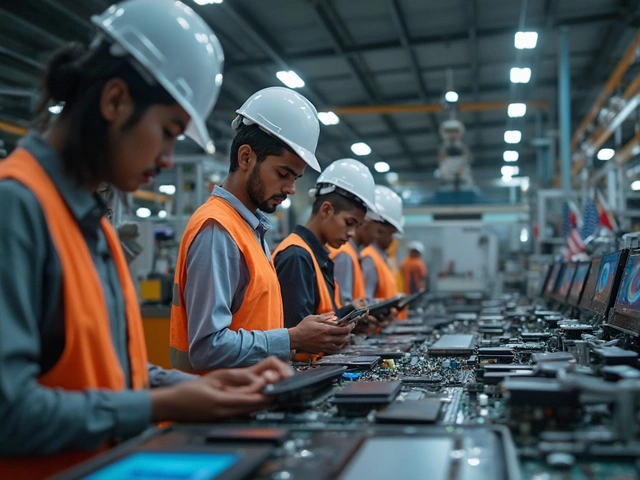
Real factories don’t just use rulers and calipers. They rely on digital gauges, laser sensors, CMMs (coordinate measuring machines), and automated vision systems that catch defects before a single product leaves the line. In Tamil Nadu’s electronics hubs, for example, measurement systems are built into assembly lines to ensure every smartphone component meets exact specs—down to the micron. Meanwhile, food processors use temperature probes and weight scales to meet safety standards, and plastic makers track mold pressure and cooling times to avoid warping. These aren’t luxury tools. They’re survival tools.
And here’s the kicker: many government schemes in India only pay out if you can prove you’re using proper measurement systems. If you can show you’re reducing scrap by 15% through better quality control, you unlock training grants, tax breaks, and export incentives. Measurement isn’t just about accuracy—it’s about access. It’s the key that unlocks funding, credibility, and scale.
Below, you’ll find real stories from Indian manufacturers who turned measurement from a chore into a competitive edge. You’ll see how small workshops cut waste using simple tools, how startups used data to land their first big client, and why the best manufacturers don’t just make products—they measure everything.