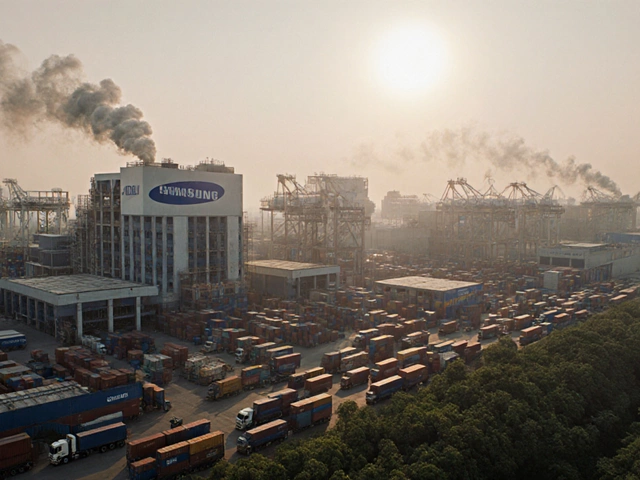
Steel Industry in India: Production, Challenges, and Key Players
When we talk about the steel industry, the backbone of India’s infrastructure and manufacturing growth. Also known as iron and steel production, it’s the foundation for everything from skyscrapers to electric vehicles and railway tracks. India isn’t just consuming steel—it’s making it. The country is now the second-largest steel producer in the world, behind China, and it’s not slowing down. Every ton of steel made here supports jobs, builds roads, powers factories, and feeds exports.
The steel manufacturing India, the process of turning iron ore, coal, and scrap into usable steel happens in big plants and smaller units alike. Places like Jamshedpur, Bhilai, and Rourkela host massive integrated mills that run nonstop. But it’s not just about size. Smaller steel fabricators across Gujarat, Maharashtra, and Odisha are cutting, bending, and shaping steel for local construction and machinery—often with less capital but more agility. The steel mills India, the physical plants where raw materials become finished steel products are changing too. Many are upgrading to electric arc furnaces, using recycled scrap instead of coal, cutting emissions, and saving money.
What’s driving this growth? Infrastructure spending. The government’s push for highways, smart cities, and renewable energy projects means more demand for structural steel, pipes, and rebar. At the same time, global supply chain hiccups have made local production more attractive. But it’s not all smooth sailing. Rising iron ore prices, power shortages in some regions, and competition from cheaper imports from countries like China still weigh on the sector. The steel production, the entire cycle from mining to finished product needs skilled workers, reliable logistics, and consistent energy—things that are still catching up in parts of the country.
What you’ll find below isn’t just theory. These posts dig into the real side of manufacturing in India—the people running the machines, the companies making it happen, and the numbers that actually matter. From how small workshops compete with giants to what government schemes are helping steel makers cut costs, you’ll see what’s working, what’s not, and where the next opportunities are hiding.