Yarn Quality: What Makes It Matter in Indian Manufacturing
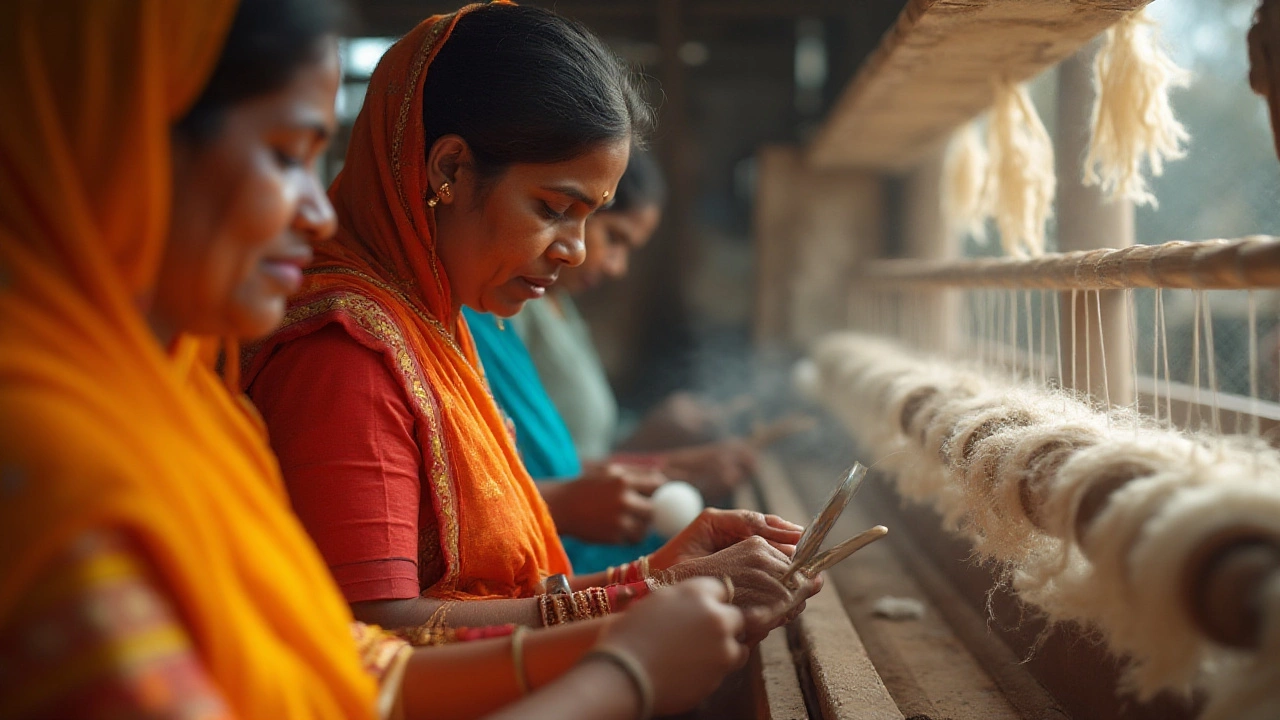
When you touch a shirt, a towel, or a sweater, you’re feeling the result of yarn quality, the consistency, strength, and uniformity of twisted fibers used to make fabric. Also known as fiber integrity, it’s not just about softness—it’s the foundation of everything that comes after in textile manufacturing. Poor yarn breaks during weaving, causes defects in the final fabric, and leads to returns. Great yarn? It runs smoothly through machines, holds dye evenly, and lasts for years. In India, where textile exports hit over $40 billion last year, yarn quality isn’t a luxury—it’s the difference between winning a global order and losing it to Bangladesh or Vietnam.
Yarn quality depends on three things: the fiber source, whether it’s cotton, polyester, or a blend, and how clean and long the fibers are, the spinning process, how evenly the fibers are twisted together, and the environment, humidity and dust control in the mill. If the cotton is short or full of impurities, the yarn will be weak. If the spinning machines aren’t calibrated right, the thickness will vary—this is called uneven count, and buyers spot it instantly. Even small variations can ruin a whole batch of fabric. That’s why top Indian mills test yarn for tensile strength, hairiness, and imperfections using machines that count flaws per kilometer. Some even track every bobbin with digital logs, so if a shirt comes back with a snag, they know exactly which batch of yarn caused it.
It’s not just about meeting standards—it’s about beating them. Buyers from Europe and the U.S. don’t just ask for OEKO-TEX certification—they want data. They want to know the CV (coefficient of variation) of yarn thickness, the number of thick and thin places, and how many knots are in a 100-kilometer roll. Indian manufacturers who track these metrics don’t just survive—they win contracts with brands like H&M, Zara, and Levi’s. And it’s not just big factories. Small spinning units that focus on consistent quality, even with smaller output, are finding niches in premium organic cotton and handloom markets. If you’re in manufacturing, yarn quality isn’t a department—it’s your entire business model. Below, you’ll find real examples from Indian factories that turned yarn quality into their biggest competitive edge.