Automobile Import Laws in India: What You Need to Know
When you buy a car in India, you’re not just paying for the vehicle—you’re paying for automobile import laws, the set of government rules that control how vehicles enter India, how much tax they pay, and who can sell them. These laws are the hidden reason why foreign cars cost so much more here than in the U.S. or Europe. They’re not just about revenue—they’re about protecting local factories, pushing companies to build here, and keeping money inside the country.
These rules tie directly into customs duty on cars, the heavy tax applied to every vehicle shipped into India from abroad. For luxury cars, that duty can hit 100% or more. Even mid-range models face 60-70% in duties, making them nearly double the price they are overseas. Then there’s GST on imported vehicles, a layered tax that stacks on top of customs, adding another 28% for most cars. Together, these taxes make importing cars a financial gamble—unless you’re selling to a very small, very rich market.
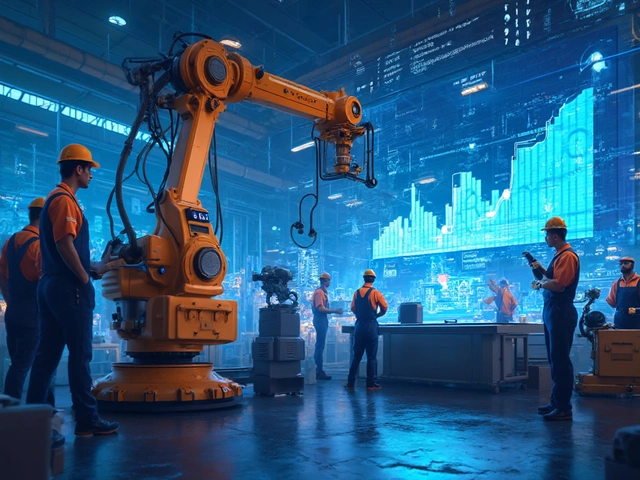
But here’s the real story: India doesn’t want you to import cars anymore. The government has spent years pushing automobile manufacturing India, the effort to build cars, batteries, and electronics right here, using local parts and labor. That’s why companies like Tata, Mahindra, and even Hyundai now make most of their models in India. It’s cheaper, faster, and gets them out of the tax trap. The result? Fewer imported cars, more local jobs, and a supply chain that’s growing every year.
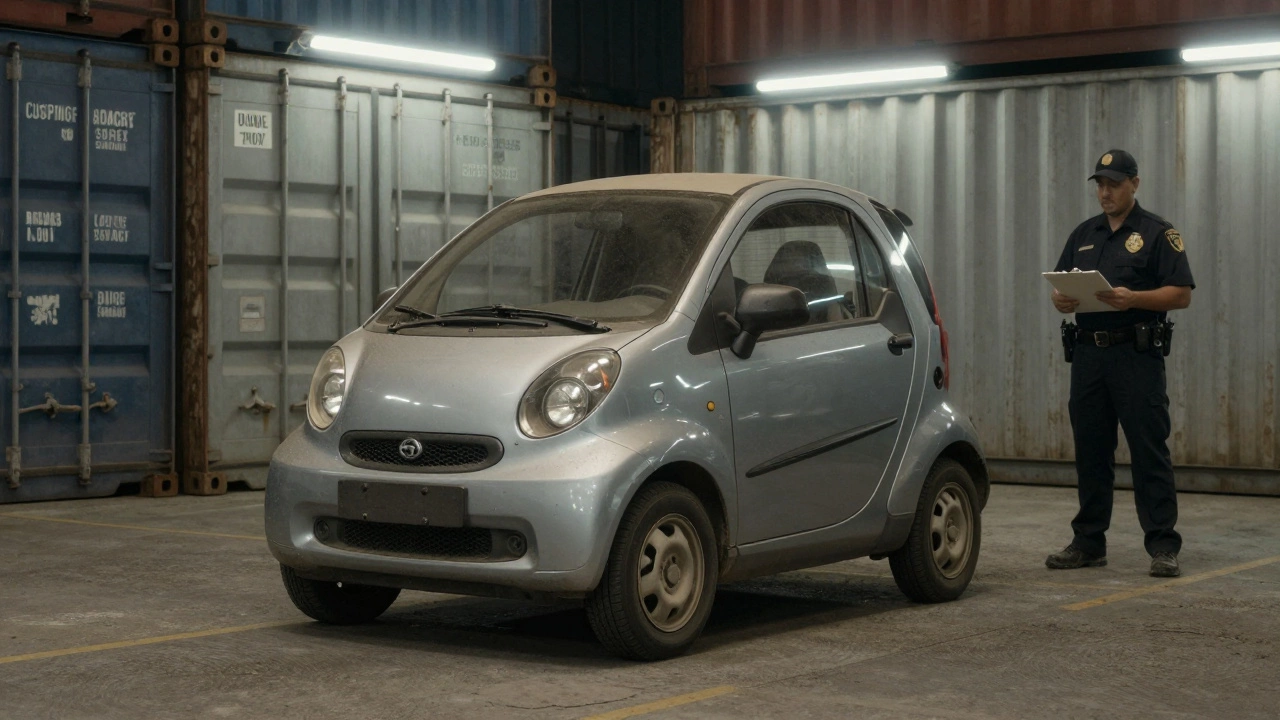
These laws also control what kinds of cars even get allowed in. Electric vehicles have lower duties—because the government wants them here. Older petrol cars? They’re getting harder to import, especially if they don’t meet new safety or emissions rules. Even parts for repairs face strict checks. If you’re thinking about bringing in a used car from the U.S. or Japan, you’ll need to prove it’s not more than three years old, pass a full inspection, and pay every tax in the book—often more than the car’s worth.
And it’s not just about cars. These same rules affect motorcycles, commercial vehicles, and even electric scooters. Every time a new model tries to enter India, it has to fight through layers of paperwork, testing, and fees. That’s why most global brands skip importing entirely and set up factories instead. It’s not just easier—it’s the only way to make money.
What you’ll find in the posts below are real stories about how these laws play out in the real world. Why Indian cars cost what they do. Who’s making money from them. How small manufacturers are finding loopholes. And why the future of cars in India isn’t about bringing them in—it’s about building them here.