Process Manufacturing: How It Works and Why It Matters in India
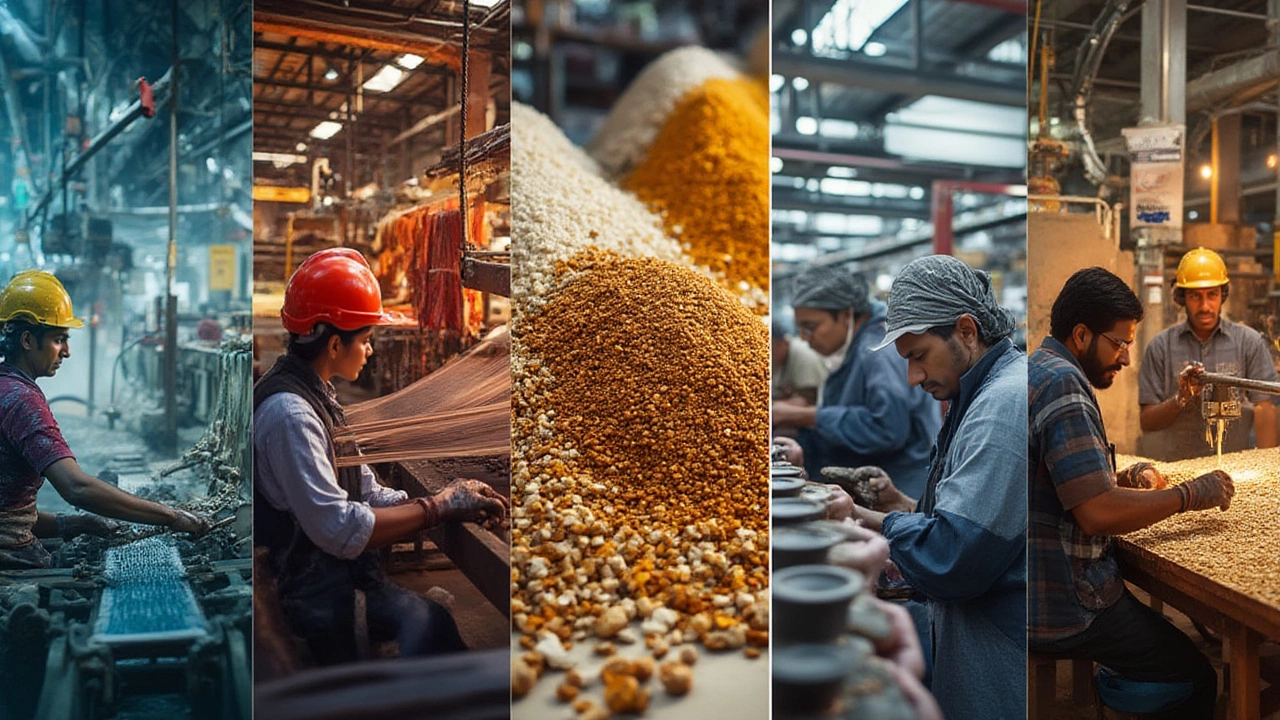
When you think of manufacturing, you might picture robots assembling phones or workers welding car parts. But process manufacturing, a method where raw materials are transformed through chemical or physical changes in bulk, often using fixed formulas and continuous systems. Also known as continuous manufacturing, it doesn’t build products piece by piece—it changes their very nature. Think sugar refining, pharmaceutical blending, or turning crude oil into fuel. This isn’t assembly—it’s transformation. Unlike discrete manufacturing, where you count individual units, process manufacturing deals with liters, tons, or kilograms. You don’t make one phone—you make 10,000 liters of medicine or 500 tons of plastic pellets in one go.
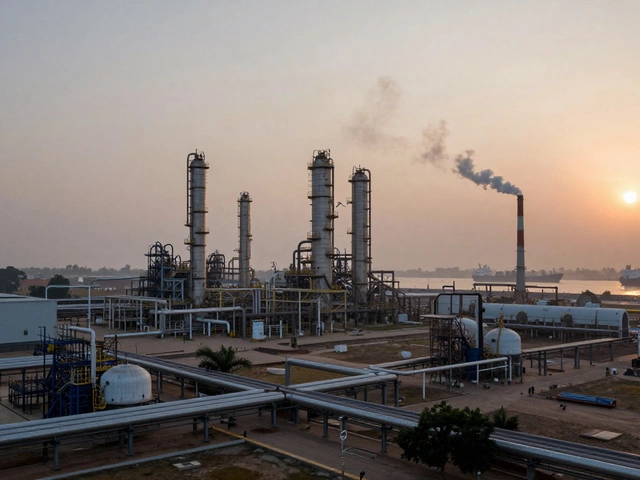
This method powers some of India’s most essential industries. From the food processing units, facilities that turn raw crops into packaged goods using batch or continuous systems in Tamil Nadu, to the chemical manufacturing, industries producing high-margin specialty chemicals under government incentives in Gujarat, process manufacturing is the hidden backbone of daily life. It’s why you can buy affordable medicines from Cipla, packaged snacks from local brands, or solar inverters made in India. The 5 M's of manufacturing, Manpower, Machines, Materials, Methods, and Measurement—the core pillars for efficiency in small factories apply here too, but with extra focus on consistency, safety, and precision. A single error in a chemical mix can ruin a whole batch. That’s why measurement and control systems matter more than ever.
India’s push for self-reliance in manufacturing doesn’t just mean making more smartphones—it means mastering the science behind what goes into them. From the continuous processing, uninterrupted production lines used in sugar, cement, and pharmaceuticals to batch processing, smaller, flexible runs ideal for niche food or chemical products, the right method depends on scale, demand, and product type. The most profitable food businesses and chemical producers don’t just guess—they design their processes with the 5 M's and 7 essential steps of manufacturing in mind. And with government schemes now supporting energy efficiency and automation in these sectors, the opportunities are growing fast.
What you’ll find below are real examples of how process manufacturing works in India—whether it’s a small food unit in Maharashtra, a chemical plant in Andhra Pradesh, or a medical device producer scaling up. No theory. No fluff. Just how it’s done, who’s doing it, and what’s working right now.