Production Management: How to Run a Factory That Actually Works
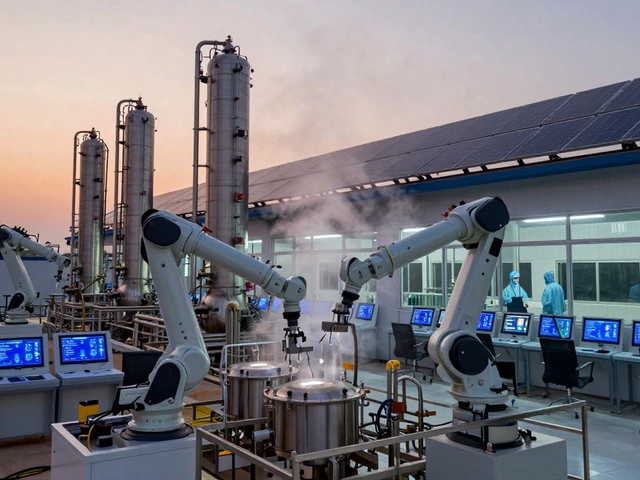
When you hear production management, the organized control of manufacturing activities to meet quality, cost, and timing goals. Also known as manufacturing operations, it’s what keeps factories from falling apart. It’s not just about pushing buttons or scheduling shifts. It’s about making sure the right materials show up at the right time, machines don’t break down at peak hours, workers know exactly what to do, and nothing gets wasted. Without good production management, even the best-designed product will fail to reach customers on time—or at all.
Good production management doesn’t happen by accident. It relies on five core pieces: Manpower, the people who run the line, from operators to supervisors, Machines, the tools that shape, cut, weld, or assemble, Materials, the raw inputs that become finished goods, Methods, the step-by-step procedures that turn inputs into outputs, and Measurement, how you track quality, speed, and waste. These are the 5 M’s—and if you’re running a small or medium factory in India, ignoring even one of them will cost you money, time, and credibility. Companies like Sydler Electro see this every day: factories that skip measurement end up with returns. Those that overlook methods struggle with training. And those that treat manpower as disposable? They lose skilled workers fast.
Production management isn’t just about running a line—it’s about connecting the dots between what you make, how you make it, and who buys it. It’s why Tamil Nadu leads India’s electronics exports: their factories don’t just assemble phones, they manage every step from component delivery to shipping with precision. It’s why small manufacturers in Gujarat survive while others fold: they focus on quality over quantity, and they track every defect. And it’s why the biggest steel mill in the U.S., Gary Works, still thrives after 100 years: they didn’t just upgrade machines—they rebuilt their entire production management system. Whether you’re making medical devices, plastic parts, or food processing units, the rules stay the same. You need clarity, control, and consistency. The posts below show you how real manufacturers in India do it—with real numbers, real mistakes, and real fixes. No theory. No fluff. Just what works.