Production Sites in India: Where Manufacturing Really Happens
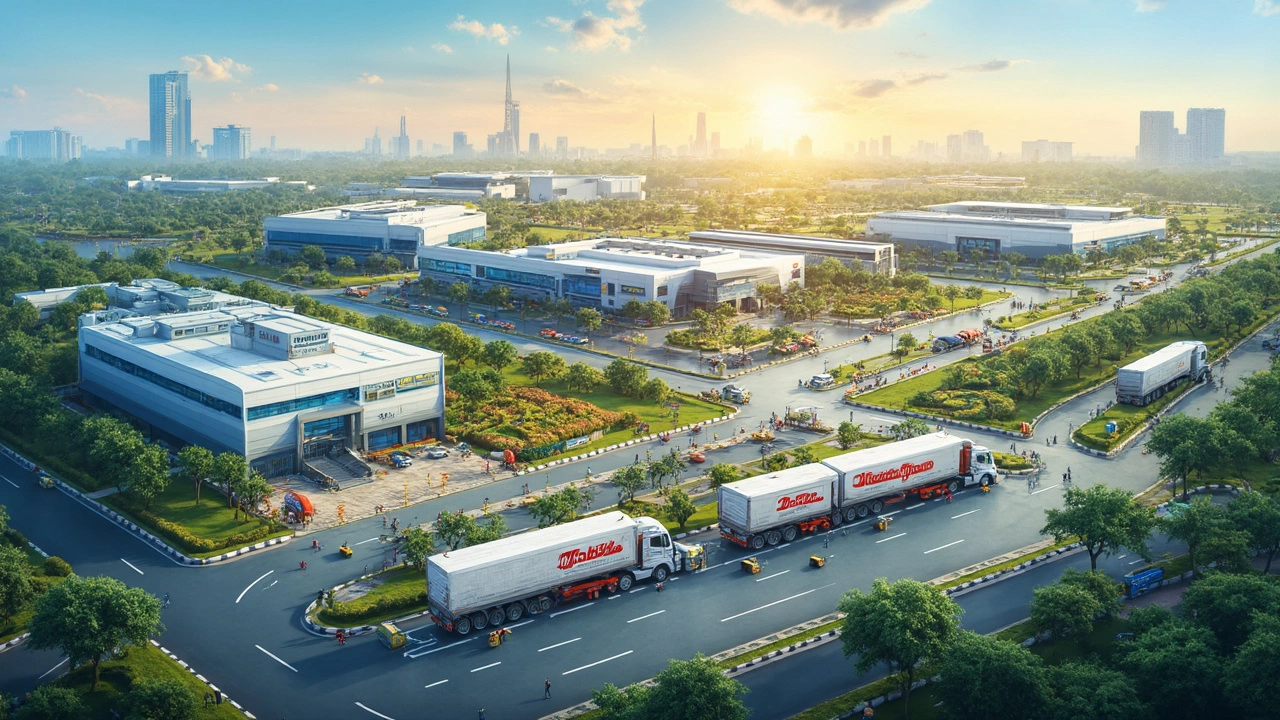
When we talk about production sites, physical locations where goods are made, assembled, or processed. Also known as manufacturing facilities, these are the backbone of any economy—where raw materials turn into products people use every day. In India, production sites aren’t just big factories in cities. They’re small workshops in Tamil Nadu, family-run units in Uttar Pradesh, and tech-driven assembly lines in Karnataka. These places don’t just make things—they create jobs, build local economies, and put India on the global manufacturing map.
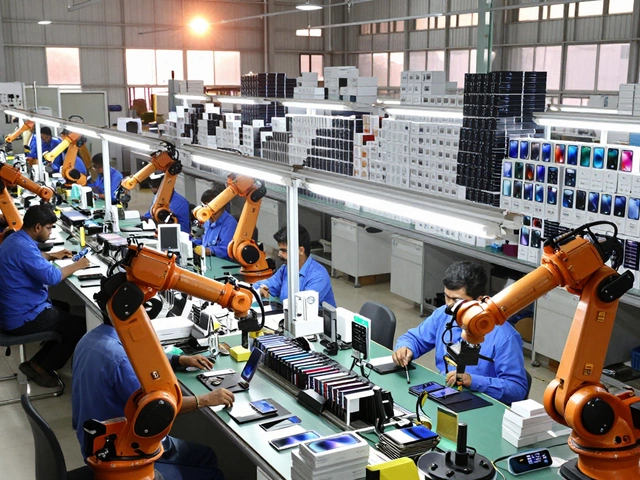
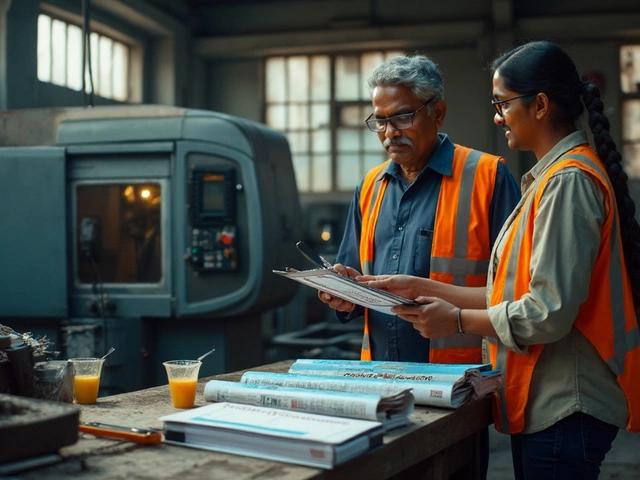
Not all production sites look the same. Some are massive, like the electronics hubs in Chennai that ship smartphones worldwide. Others are quiet, single-room operations in Ludhiana making parts for tractors. What ties them together? They all follow the same five core elements: Manpower, Machines, Materials, Methods, and Measurement. You can’t run a successful site without getting all five right. And that’s why the best manufacturers don’t just chase scale—they optimize every step, from sourcing copper wire to shipping the final box.
India’s production sites are changing fast. Government schemes are helping small factories upgrade equipment. Exporters in Tamil Nadu are outpacing others because they’ve built reliable supply chains. Meanwhile, food processing units in Punjab and plastic makers in Gujarat are learning how to cut waste and boost margins. It’s not about being the biggest anymore—it’s about being smart, flexible, and connected. Whether you’re a startup pitching a new product or an investor looking for real returns, knowing where and how things are made in India makes all the difference.
Below, you’ll find real stories from the floor—how startups landed their first funding, what electronics are actually made here, which states lead exports, and how small manufacturers survive against giants. No theory. No fluff. Just what’s happening on the ground.