Who Controls Manufacturing?
When you ask who controls manufacturing, the people and systems that make decisions about what gets produced, where, and at what cost. Also known as manufacturing power structures, it includes everything from family-owned factories to government-backed industrial zones. It’s not just CEOs or boardrooms. In India, the answer is layered—families like the Hamieds behind Cipla, engineers like Dr. A.V. Rama Rao who built low-cost chemical processes from scratch, and state governments that offer tax breaks to electronics makers in Tamil Nadu. These aren’t just names on a list—they’re the ones deciding if a factory makes smartphones, pharmaceuticals, or steel brackets for tractors.
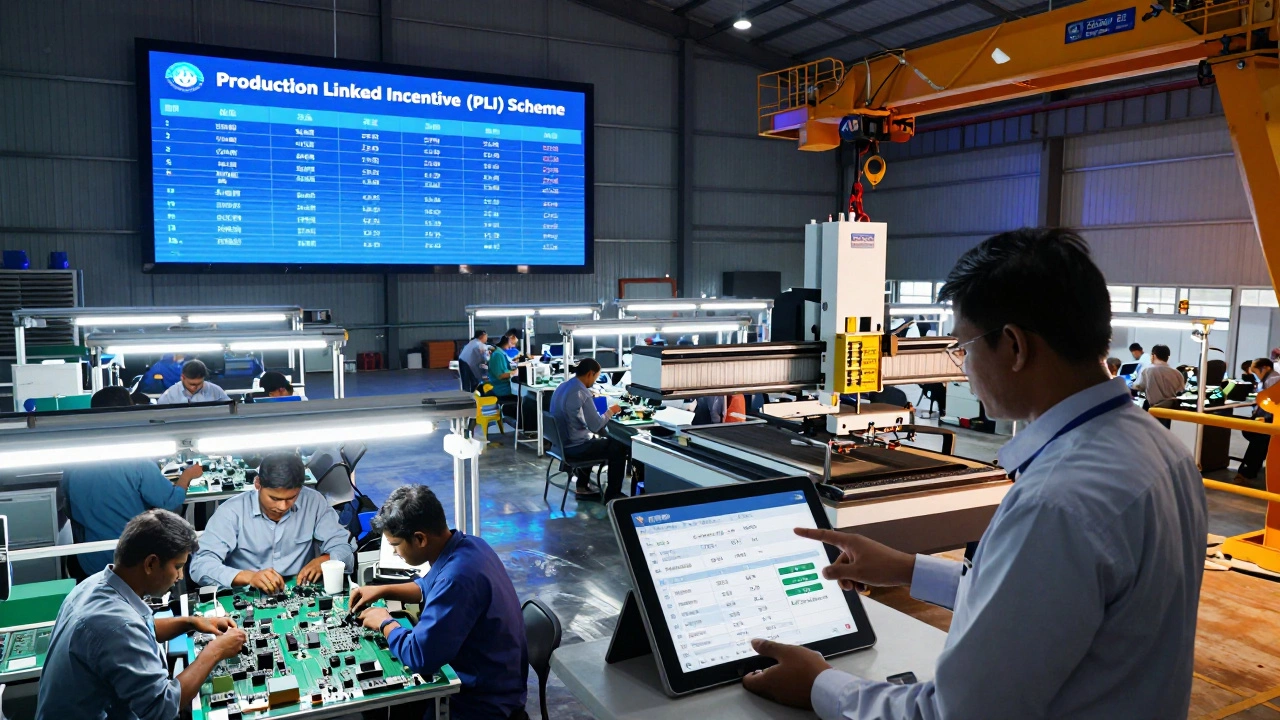
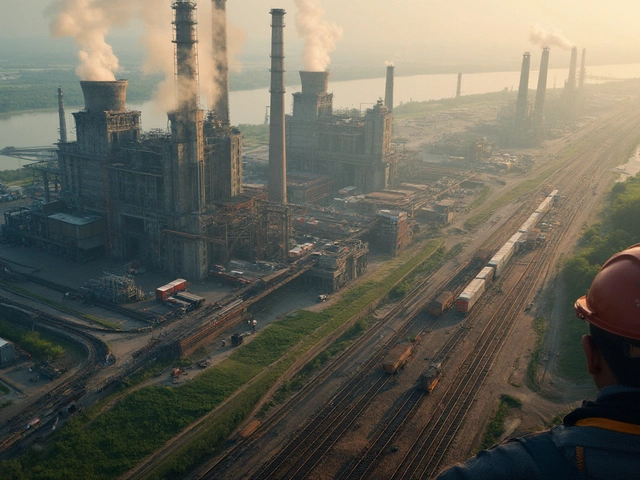
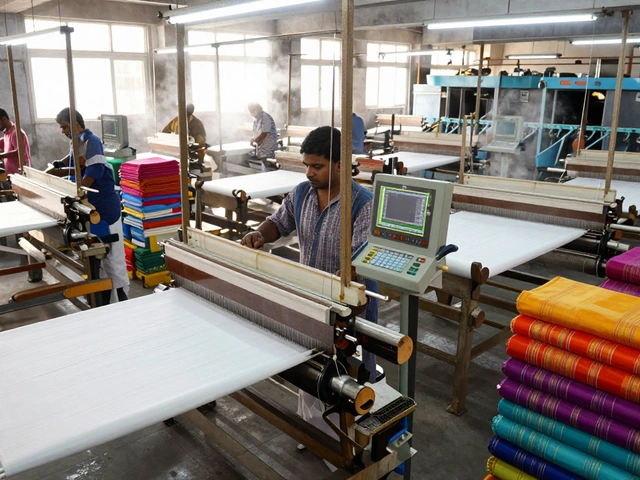
Manufacturing in India isn’t controlled by one single group. It’s a mix of private owners, policy makers, and local ecosystems. The Indian manufacturing industry, the network of factories, suppliers, and workers producing everything from solar inverters to surgical tools. relies on clusters: Jamnagar for chemicals, Tamil Nadu for electronics, and Pune for auto parts. Each hub has its own rules. In Gujarat, it’s big refineries and export targets. In Tamil Nadu, it’s port access and skilled labor. In small towns, it’s often a single family running a 10-person workshop that supplies parts to bigger brands. The manufacturing owners, individuals or families who hold equity, make production decisions, and bear the financial risk. aren’t always visible. You won’t see them on TV. But they’re the ones signing off on every machine purchase, every raw material order, every hire.
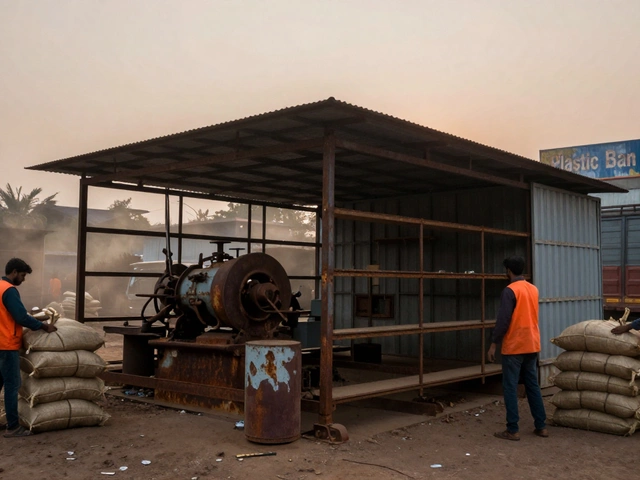
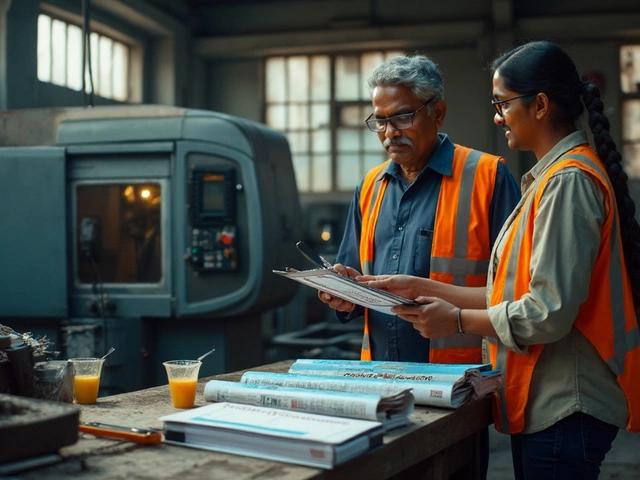
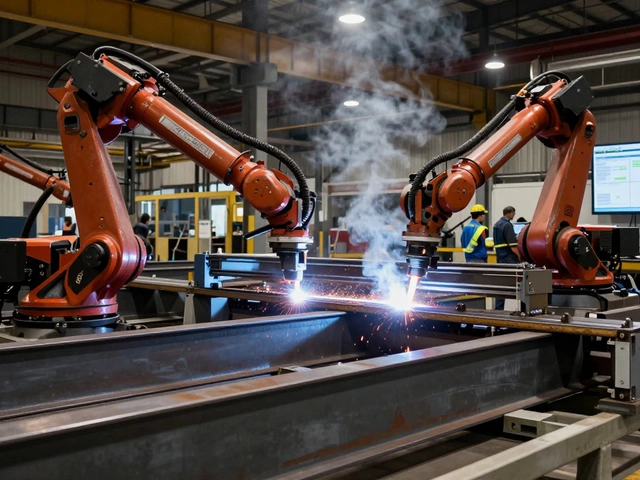
And it’s not just money. Control comes from knowledge. Who designs the process? Who trains the workers? Who keeps the machines running when the power cuts out? In many small factories, it’s the same person who started the business 20 years ago. They don’t have a corporate HR department—they have a cousin who learned how to fix the injection molding machine by watching YouTube. The factory control, the real-day authority over production flow, quality, and output. lives in the hands of those who show up early, know every bolt, and refuse to let a defect ship out.
What you’ll find in the posts below isn’t theory. It’s real cases: who owns Cipla, why cars cost so much in India, which city exports the most electronics, and how a single engineer changed the entire chemical industry. You’ll see who’s winning, who’s losing, and why some factories thrive while others vanish. This isn’t about who has the biggest factory. It’s about who makes the decisions—and how those decisions ripple through the economy, the jobs, and the products you use every day.