Manufacturing Challenges in India: What’s Holding Back Growth?
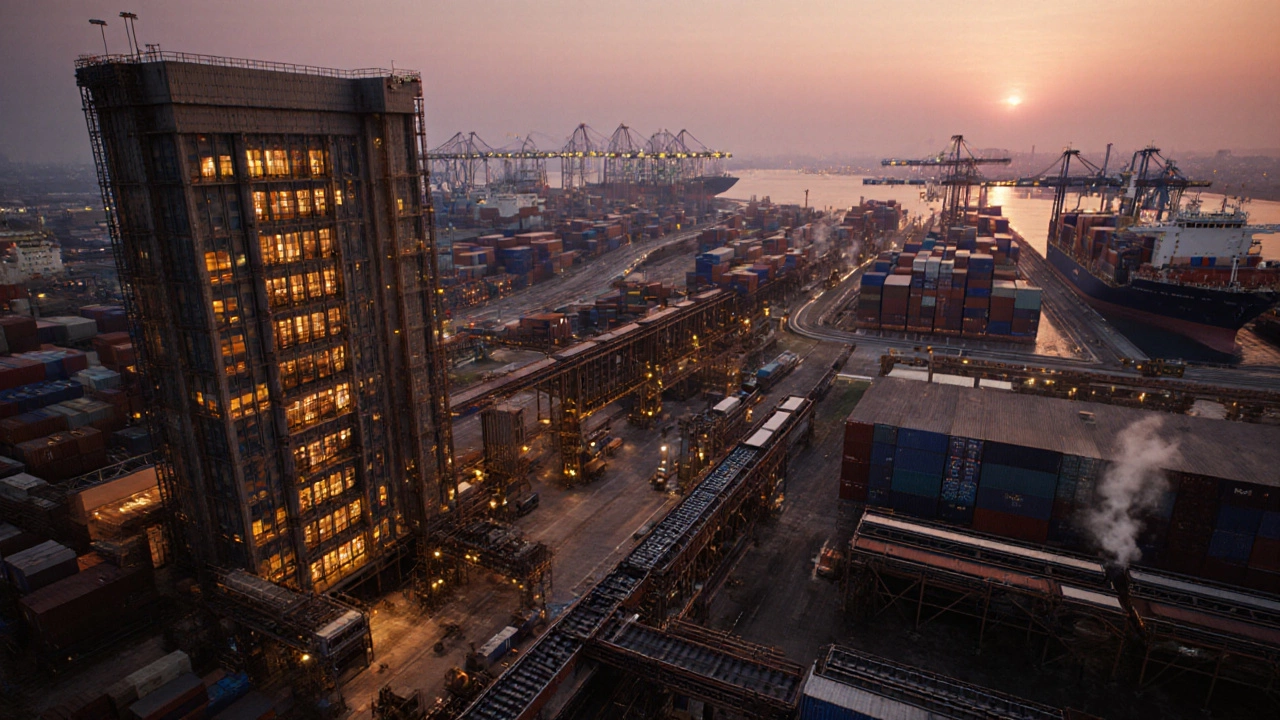
When you hear manufacturing challenges, the obstacles that prevent factories from running smoothly, scaling up, or staying profitable. Also known as production bottlenecks, it’s not just about broken machines or late deliveries—it’s the quiet, systemic cracks in India’s industrial foundation. Many assume the problem is lack of investment or policy. But the real issues are deeper: inconsistent power supply, fragmented supply chains, and a workforce that’s skilled but not trained for modern systems. These aren’t new problems. They’re the same ones that have been ignored for decades, even as India pushes "Make in India" and global brands look to relocate.
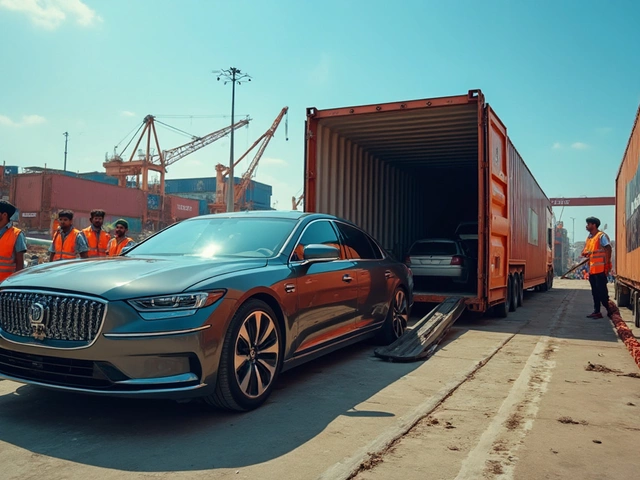
Look at a small manufacturer in Tamil Nadu trying to make medical devices. They have the design, the market, even government grants. But getting consistent raw materials? Hard. Finding a technician who can calibrate a CNC machine? Even harder. Their biggest hurdle isn’t capital—it’s supply chain issues, the unreliable flow of parts, materials, and components needed to keep production going. One delay in imported circuit boards can shut down a week of output. Meanwhile, big players like Reliance or Cipla have the clout to secure bulk deals and dedicated logistics. Small factories? They’re left waiting. And when you’re running on thin margins, waiting means losing money.
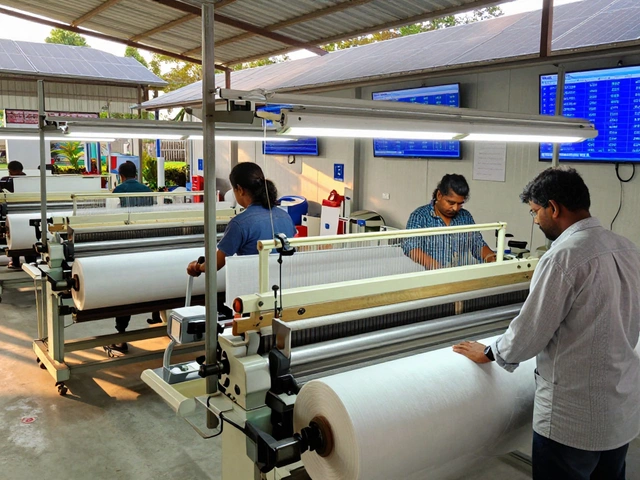
Then there’s the skill gap, the mismatch between what workers know and what modern factories need. You’ll find plenty of people who can weld or operate a lathe. But how many can read a digital blueprint, troubleshoot a PLC, or use basic data tools to track machine efficiency? The 5 M’s of manufacturing—Manpower, Machines, Materials, Methods, Measurement—are taught in theory, but rarely practiced with real data. Without measurement, you can’t improve. And without improvement, you can’t compete.
Even when factories upgrade, they often don’t connect the dots. A new machine means nothing if the power keeps cutting out. A better process fails if the quality control team isn’t trained. And no amount of automation helps if the local supplier can’t deliver consistent plastic pellets or copper wire. These aren’t isolated problems—they’re linked. Fix one, and you often fix three others.
India’s manufacturing future doesn’t depend on billion-dollar factories alone. It’s built in the small workshops, the family-run units, the startups trying to make smartphones or solar inverters right here. But they’re drowning in the same old problems: unreliable infrastructure, outdated training, and no real support for scaling. The government talks about subsidies. But subsidies won’t fix a power line that breaks every monsoon. Training programs won’t help if they don’t teach real-world problem-solving.
Below, you’ll find real stories from Indian manufacturers who’ve faced these exact hurdles—and how they’re pushing through them. From securing funding without giving up control, to choosing the right processing unit for food production, to understanding why profit margins stay low even when sales rise. These aren’t theoretical guides. They’re battle-tested lessons from people who’ve been in the factory, dealing with the noise, the delays, and the frustration. If you’re trying to build something in India’s manufacturing world, you need to know what’s really holding you back.