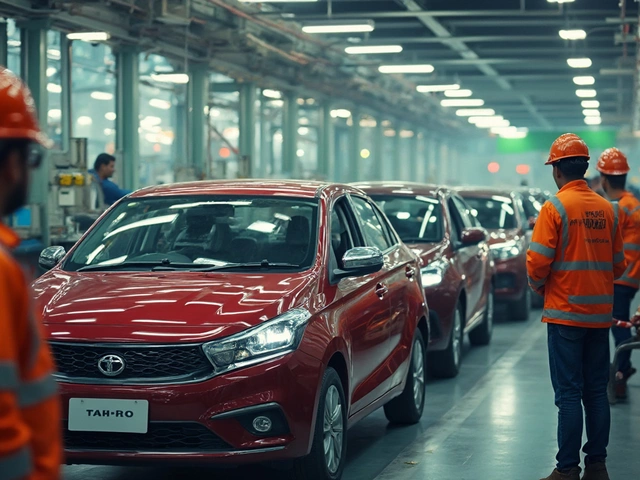
Manufacturing Policy in India: Rules, Incentives, and Real-World Impact
When you hear manufacturing policy, the set of government rules, incentives, and regulations that guide how goods are made in India. It's not just paperwork—it's what decides whether a phone gets assembled in Tamil Nadu or shipped from China, whether a small factory in Gujarat gets a tax break, or if a pharma startup in Hyderabad can access cheap land and power. This policy isn't some distant government document. It's the invisible hand behind every car, every solar inverter, every medicine bottle made in India today.
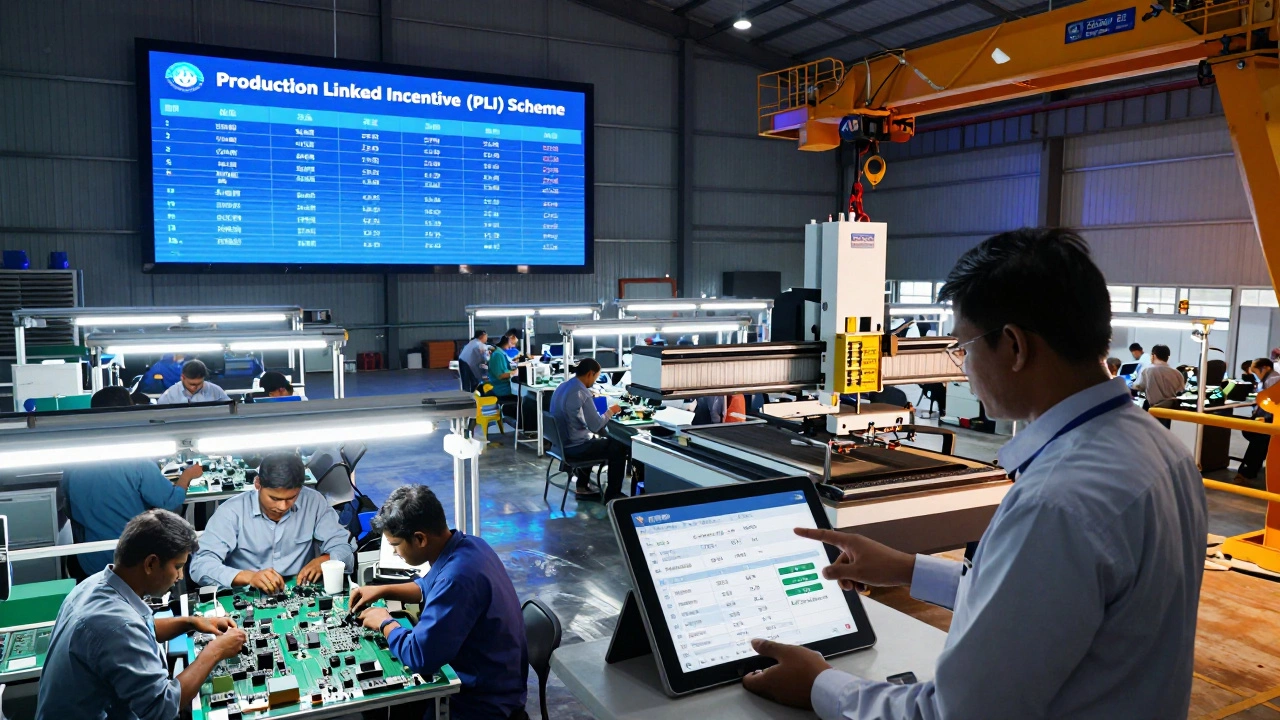
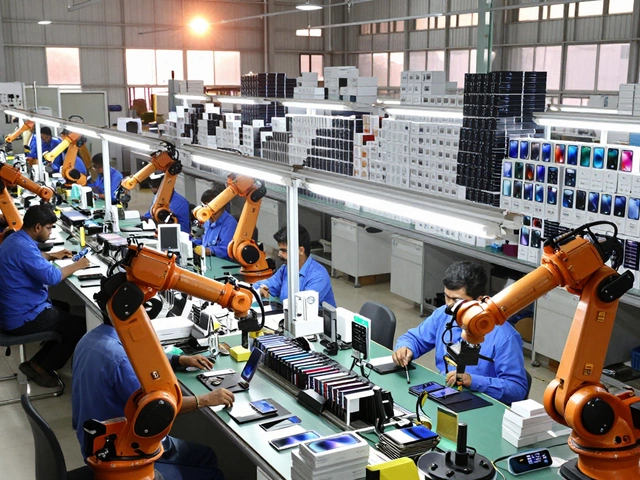
Make in India, a national initiative launched to boost domestic production and attract global investment is the most visible part of this policy. But behind it are dozens of smaller programs: PLI schemes for electronics, duty exemptions for steel inputs, special economic zones with faster approvals, and training grants for workers. These aren’t just buzzwords—they’re the reason companies like Samsung, Apple’s suppliers, and Cipla expanded factories here. The policy doesn’t just encourage manufacturing—it rewards specific outcomes: exports, local sourcing, and job creation.
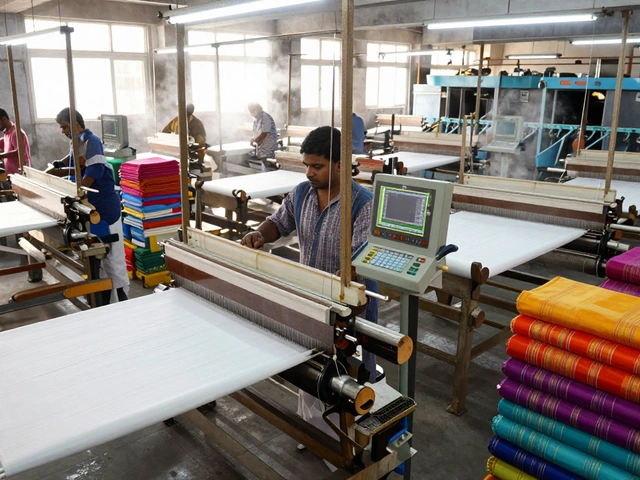
And it’s working. Tamil Nadu now leads electronics exports because its state policy matches the national push with port access and skilled labor programs. Jamnagar became India’s chemical hub not just because of oil, but because tax breaks and infrastructure grants made it cheaper to build plants there than elsewhere. Even small manufacturers benefit—through the 5 M’s of manufacturing (Manpower, Machines, Materials, Methods, Measurement), which are now part of government training modules tied to subsidies. The policy doesn’t just talk about growth—it ties funding to measurable progress.
But it’s not perfect. High taxes on car parts, slow approvals for new factories, and inconsistent power supply in some states still hold back smaller players. That’s why posts here dive into real cases: why Indian cars are expensive, how startups get their first funding, and who actually controls big names like Reliance and Cipla. These aren’t random stories—they’re direct results of how policy plays out on the ground.
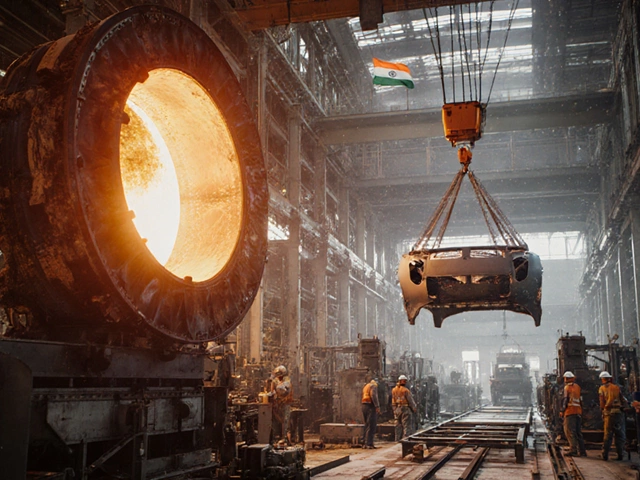
What you’ll find below isn’t theory. It’s the real impact of manufacturing policy—through the lens of chemical plants in Gujarat, electronics factories in Tamil Nadu, small food processors in Maharashtra, and steel mills in the U.S. that set global benchmarks. You’ll see who wins, who loses, and how policy shapes the actual products you use every day. Whether you’re starting a factory, investing in one, or just curious why things cost what they do—this collection gives you the unfiltered truth behind the numbers.