MES in Manufacturing: What It Means and How It Powers Indian Factories
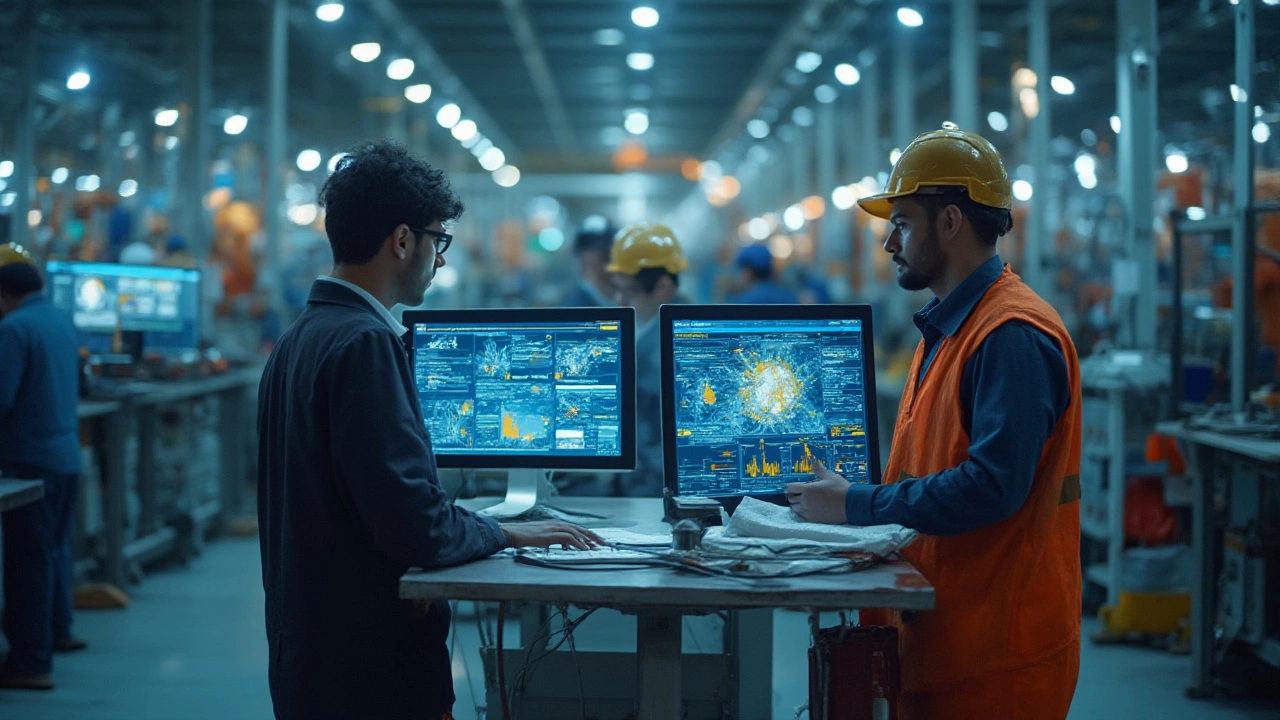
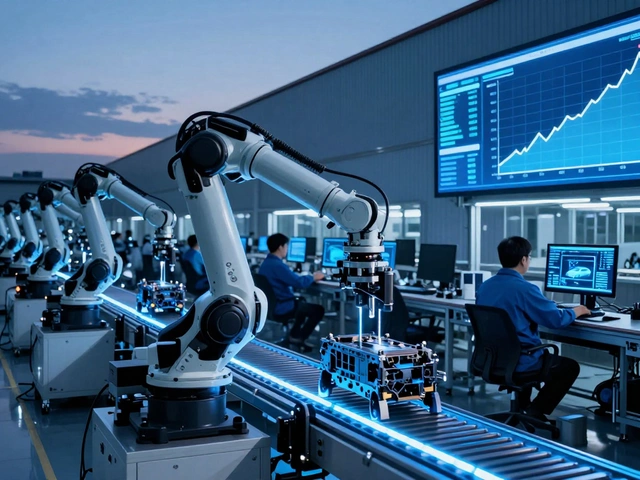
When you hear MES, Manufacturing Execution System—a digital backbone that tracks and controls production on the factory floor in real time. Also known as manufacturing execution software, it bridges the gap between what planners say should happen and what actually gets made on the line. This isn’t theory. It’s the difference between guessing how many units you produced last shift and knowing exactly how many passed inspection, where the delays happened, and which machine needs maintenance tomorrow.
MES doesn’t replace your ERP system—it makes it useful. While ERP handles orders, inventory, and finance, MES handles the production tracking, the real-time monitoring of machines, workers, and materials as they move through each step of making a product. In Indian factories, where small and mid-sized plants are scaling up, MES helps them compete by reducing scrap, cutting downtime, and proving quality to global buyers. You don’t need a billion-dollar plant to use it. Even a small electronics assembler in Tamil Nadu can install a basic MES to track how many circuit boards they finished yesterday and why 12% failed testing.
It’s also tied to factory automation, the use of sensors, scanners, and control systems to reduce manual input and increase accuracy. Think barcode scans at each workstation, automatic data logging from CNC machines, or alerts when a temperature sensor goes off. These aren’t sci-fi—they’re the new normal for factories that want government subsidies, export certifications, or to keep up with clients who demand traceability. If you’re running a small manufacturing unit in India and you’re not using MES, you’re flying blind. You might be making product, but you don’t know if you’re making it efficiently, consistently, or profitably.
The posts below show you exactly how MES connects to real-world manufacturing in India—from how small shops use it to qualify for Make in India incentives, to why electronics exporters in Karnataka rely on it to meet global quality standards. You’ll see how it ties into the 5 M’s of manufacturing, how it helps track materials in food processing units, and why even a single machine shop can start small and scale up. No jargon. No fluff. Just what works on the floor.