Small Scale Manufacturing: How Small Factories Win in India
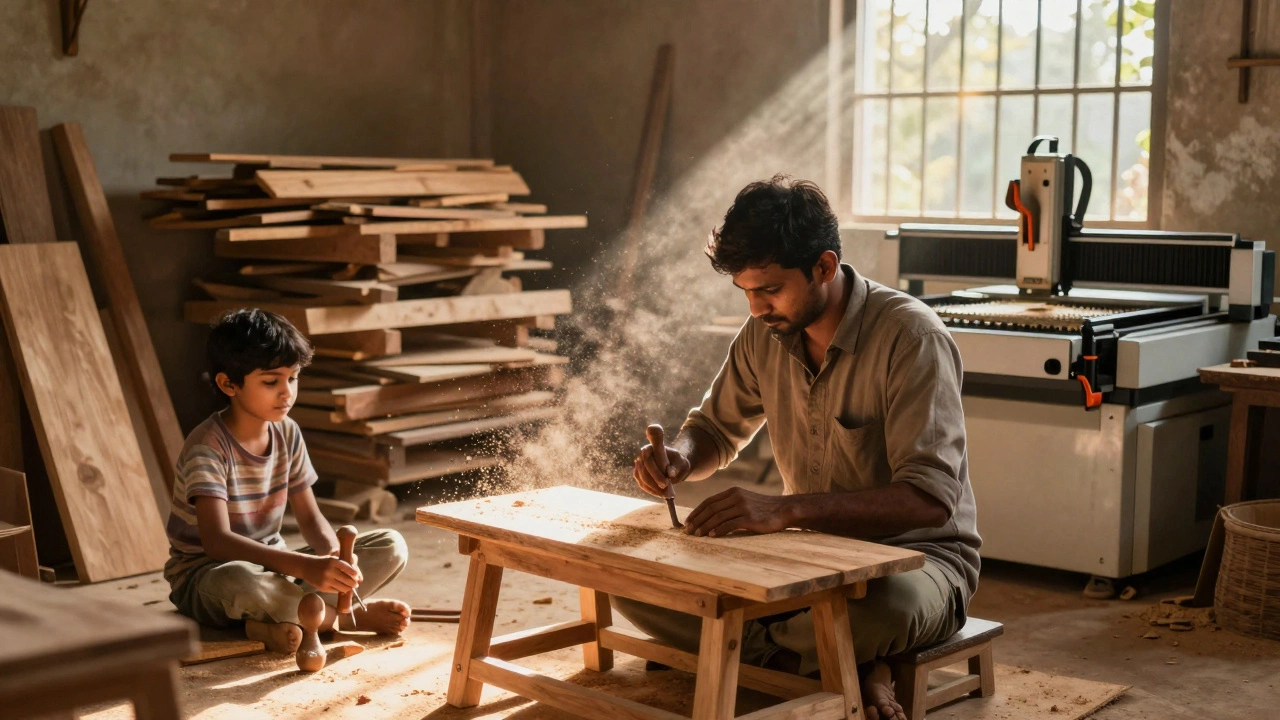
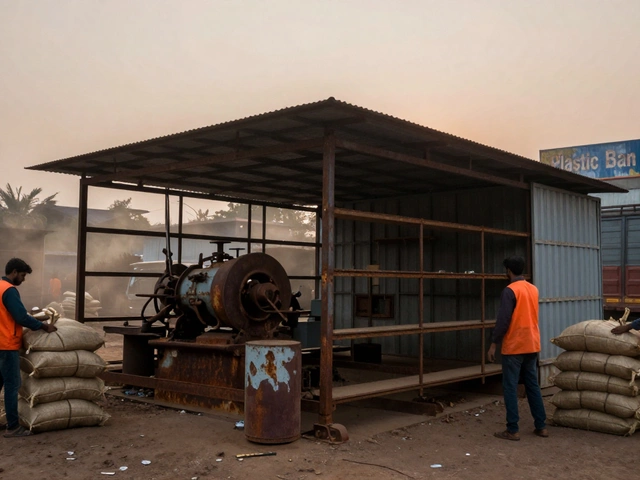
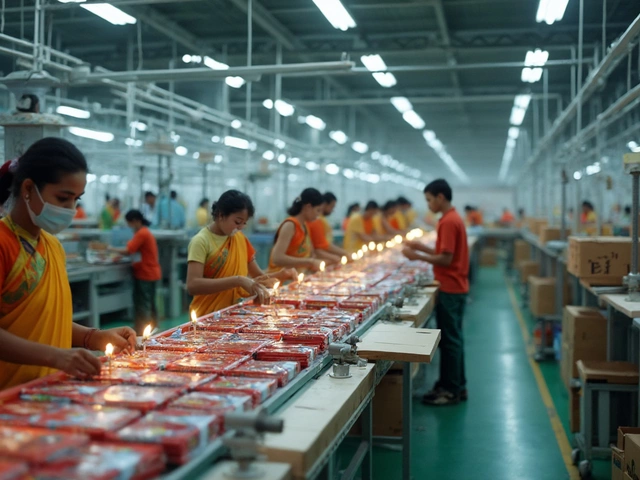
When you think of manufacturing in India, you might picture huge factories in Tamil Nadu or Gujarat. But the real story? It’s happening in smaller workshops, backyard units, and local industrial parks—small scale manufacturing, a category of production that operates with fewer than 50 employees and limited capital, often focused on niche products. This is where real innovation happens: low overhead, fast decisions, and deep local knowledge. These aren’t just tiny versions of big factories—they’re a different kind of business entirely, built to survive, adapt, and thrive without massive investment. In India, small scale manufacturing accounts for over 40% of total industrial output and employs more than 11 crore people. It’s not a stepping stone to big business—it’s a powerful, independent model.
What makes small scale manufacturing work? It’s not luck. It’s the 5 M’s of manufacturing, Manpower, Machines, Materials, Methods, and Measurement—a practical framework that helps small factories cut waste, improve quality, and qualify for government support. A unit in Ludhiana making metal brackets doesn’t need a $10 million robot. But if they track their scrap rate, train workers in standard procedures, and source local raw materials, they can outperform larger competitors on cost and speed. And they’re not alone. From food processing units in Maharashtra to plastic molding shops in Coimbatore, the same principles apply. government schemes, including subsidies, tax breaks, and training programs under Make in India and MSME initiatives are quietly reshaping the game. Many small owners don’t even know they qualify for up to 35% capital subsidies or free skill development courses. That’s not a rumor—it’s documented policy.
Small scale manufacturing doesn’t need to be big to be profitable. Look at the numbers: a food processing unit making pickles or snacks can hit 40% gross margins. A tiny electronics assembler making LED drivers or solar inverters can sell directly to local retailers. You don’t need to export to succeed. The key is focus. Pick one product. Master the process. Build trust with your customers. The posts below show you exactly how real Indian small manufacturers are doing it—whether they’re securing their first funding, choosing the right machines, or navigating the maze of government support. No fluff. Just what works.